2nd Line - Second Phone Number
- 4.3
- Rating
- 10.00M
- Installs
- Free
- Price

 Analysis by App-foxy
When I need a separate number for a temporary project, an online form, or a second conversation channel, I prefer not to hand out my everyday number immediately. That is the practical space where 2nd Line - Second Phone Number fits. It is a free communication app from Dingtone Communications Ltd that lets me use another local phone number for calling and texting, with verification presented as one of its main purposes.
After spending time with it, my view is fairly straightforward: this is useful when separation matters more than having a complete replacement for a mobile carrier. It can give a personal number a little breathing room, but it is not the same thing as a traditional phone plan. The difference becomes important when I need dependable access, predictable costs, or confidence that a particular service will accept a second-line number.
The app has a 4.3 average from roughly 48 thousand ratings, and it has passed 10 million installs. Those figures suggest that the basic idea is easy for many people to understand: install it, obtain or use a second line, and keep calls and texts apart from the main number on the phone. Its Everyone age rating also makes the intended audience broad, although younger users should still involve a parent or guardian when handling calls, texts, and account information.
You May Also Like

 Blood Strike: 2.5 Anniversary
Blood Strike’s Loadouts Turn Every Drop Into a Tactical Gamble
A close look at Blood Strike’s custom loadouts: how fast access to signature weapons reshapes its battle royale rhythm, rewards preparation, and narrows the gap between fights.

 Pandora - Music & Podcasts
Pandora’s Music Is Easy to Start, but Harder to Recover
Pandora’s strength is its low-effort path from a seed to a station. Its weak spot is how much confidence it asks you to place in connection, setup, and quiet recovery.

 8 Ball Pool
 Is Built on Rivalries, Rematches, and Routine
A close look at the rivalries, rematches, shared routines, and unanswered safety questions that turn a quick pool match into a persistent mobile community.

 Samsung Music
’s Quiet Strength Is Playing What You Already Own
Its reach comes less from spectacle than from dependable access to a personal library. That simplicity is both the app’s strongest retention engine and its ceiling.

 AccuWeather: Weather Radar
AccuWeather Review: A Quick, Clear Forecast for Everyday Decisions
For everyday plans, the best forecast is the one you can understand quickly. AccuWeather makes rain timing, radar, and local conditions easy to act on, with a few trade-offs.

 Hill Climb Racing
Why Hill Climb Racing Still Turns Crashes Into One More Run
A tiny car, a bumpy hill and one more upgrade: Hill Climb Racing keeps resurfacing because its simple chaos makes every near-miss feel personal.
More From Our News Desk



How the second line fits into real life
I find it helps to decide what the second line is for before I share it: a defined purpose makes it easier to keep personal conversations separate and spot when a temporary contact is becoming permanent. In this section, I’ll focus on practical routines for using that boundary deliberately, then turn to the small choices that make the routine easier to maintain.
A useful boundary for everyday communication
The strongest reason I would recommend this app is simple separation. Imagine selling a desk online, arranging a short-term repair, or joining a group that needs phone contact but does not need your private number. I can give the second line instead, keep those conversations away from my personal inbox, and stop using it when the situation is finished. That boundary is more useful than the phrase “second number” might initially suggest.
It also works well for people who manage more than one role from the same phone. A freelancer can keep client calls distinct from family conversations. Someone moving between countries may want a local number for a particular purpose. A small seller can place a contact number in an advertisement without exposing the number used for banking and close friends. In each case, the value is organizational as much as technical.
I would not treat it as a magic privacy shield. A second number can reduce unwanted exposure, but it does not make a conversation anonymous or guarantee that every recipient, website, or verification system will accept it. The sensible approach is to use it as a contact boundary, not as a promise that identity, location, or account ownership can never be connected to you.
What it is, and what it is not
2nd Line is an app rather than a conventional carrier subscription. That distinction affects how I judge it. A carrier line is normally tied to a mobile network plan and is often the default choice for emergency reliability, long-term account recovery, and services that insist on a standard mobile number. This app is better suited to flexible communication where having an additional line is more important than replacing the primary service.
Compared with simply buying another SIM, the app is more convenient for people who want to keep one device and avoid switching physical cards. Compared with a business phone system, it is much lighter and less intimidating for a single user. Compared with messaging platforms that require both people to use the same service, a phone-number approach can be easier when the other person expects ordinary calling or texting.
There is a trade-off in that convenience. I would not move every important account to this line on the first day. If a number becomes central to password recovery, travel arrangements, or a long-running client relationship, I want to understand how the app handles access and account continuity before depending on it. A temporary number and a permanent number should not be treated as interchangeable.
Starting carefully instead of rushing into verification
The app’s store summary specifically positions it as a second phone number for verification, which makes the first setup decision important. Before entering the number into a service, I would check that service’s rules and consider whether losing access later would create a serious problem. Verification codes can be convenient, but convenience should not replace a recovery plan.
My practical workflow would be to use the line first for low-risk communication. I might test a call, send a text to a trusted contact, and confirm that I can recognize the line when notifications arrive. I would then decide whether the number is appropriate for a particular sign-up. This small trial is more valuable than assuming that every verification message will behave exactly like a message sent to a carrier number.
Another useful habit is keeping a note of where the second number has been shared. That makes it easier to identify the source of unwanted contact and to know which conversations need moving elsewhere. It also prevents the common mistake of forgetting that a “temporary” number has quietly become attached to several services.
Controls, account access, and trust
Trust in a communication app comes from visible choices, not from a reassuring label. When I evaluate 2nd Line, I look for the points where I can understand what I am doing: choosing when to use the second line, deciding which contacts receive it, and recognizing when a message or call is connected to that line rather than my primary number.
Those controls matter because a second number only helps if I can keep its purpose clear. I want to know which line I am presenting before placing a call, especially when switching between personal and work conversations. I also want to avoid treating the app as a background replacement for the phone’s normal dialer without checking the interface carefully. A mistaken call from the wrong line can defeat the separation I created.
The current version is 2.6.1, and it requires Android 7.0 or later. That makes compatibility a straightforward checkpoint before installation, particularly on an older device. I would also review the app’s current permission prompts and account screens on my own phone rather than relying on assumptions from another version or platform. Permissions can change, and the only responsible way to judge them is to read the choices shown at installation and during use.
I appreciate that the app is free to install, but “free” does not mean every use is costless. In-app purchases range from $0.99 to $89.99 per item. I would therefore look closely at any purchase screen before confirming it, especially if I am using the app for frequent calls or messages. A second line can feel inexpensive at first and become less predictable if I use it heavily without checking how the app presents paid options.
Where personal data deserves extra attention
Phone numbers are sensitive because they connect conversations, accounts, and real people. I would be particularly careful when using the second line for identity checks, financial services, healthcare communication, or anything that contains private documents. The app’s purpose may make verification convenient, but the importance of the information being protected still belongs to the service receiving the number.
Before granting access or completing registration, I would read the permission explanations shown by the app and the privacy information available through the relevant store or account screens. I would not infer that a permission is harmless simply because the app is in the communication category. Nor would I assume that a second number automatically keeps my personal data separate. The number is only one part of the trail created by calls, texts, devices, and accounts.
A realistic example is a short-term rental inquiry. I might use the second line to speak with a prospective landlord, but I would still avoid sending identification documents through an unverified conversation. If the exchange becomes a formal agreement, I would move to the communication method required by the legitimate service involved. The app can help me control initial contact; it cannot decide whether the person on the other end is trustworthy.
Another sensitive moment is account recovery. If I attach the line to an important account, I need to understand how I would regain access if I change phones, uninstall the app, or stop using the number. I would keep an alternative recovery method where the service allows one. This is one of the least obvious but most important trade-offs: a convenient second line can become a point of failure if I make it the only route back into an account.
Keeping control over unwanted contact
The best user agency comes from deciding where the number appears and when a conversation ends. I would avoid publishing the line more widely than necessary, and I would not assume that deleting a conversation removes every record held by another participant or service. If a contact becomes unwanted, I would use the controls visible in the app and on the device, then stop sharing the number.
I also recommend separating the line by purpose. Using one number for every temporary interaction makes it harder to know which contact caused a problem. A more disciplined approach is to reserve it for a clear category, such as marketplace conversations or a short project. That way, I can review the history and change my habits without confusing personal contacts with public ones.
Notifications deserve attention too. A message preview appearing on a lock screen can reveal information even when the number itself is separate. I would check the phone’s notification settings and choose how much message content should be visible. This is a device-level decision rather than something I would automatically attribute to the app, but it is part of using a second line responsibly.
Who will get the most from it
I see the app as a good match for people who need a practical buffer around their main number. Freelancers, online sellers, students organizing short projects, travelers handling local contacts, and anyone testing a communication channel can all benefit from the separation. It is also approachable for someone who does not want to carry a second device or manage a physical SIM.
The app is less suitable for someone who needs guaranteed carrier-level availability, a number for critical emergency use, or a permanent identity that must work everywhere. I would also hesitate to recommend it as the sole number for a business that cannot afford missed calls or uncertain verification. In those cases, a normal mobile plan or a dedicated business phone service may justify its higher commitment.
People who dislike in-app purchase decisions should also approach it with a clear budget. Since the app is free but offers paid items, I would decide beforehand how much occasional use is worth and avoid buying simply because a call or message feels urgent. The right comparison is not only “free versus paid”; it is predictable cost versus flexible access.
How it compares with familiar alternatives
A second SIM or carrier line remains the stronger option when reliability and long-term ownership matter most. It is usually easier to explain to banks, employers, and official services, and it does not depend on the same app experience. The disadvantage is extra hardware, another plan, or more effort when managing two lines on one device.
Messaging apps can be better for private group conversations when everyone already uses the same platform. They often provide richer media and group tools, but they are less useful when I need to contact someone through an ordinary phone number. 2nd Line occupies that middle ground: more phone-like than a closed messaging network, but less like a traditional carrier relationship.
A business phone platform can offer more structured handling for teams, but it may be excessive for one person who only wants a separate contact point. I would choose 2nd Line for light, personal control and choose a business system when call routing, shared responsibility, or formal administration becomes central. The app’s appeal is its lower barrier, not its ability to replace every communication setup.
My cautious verdict after using it
I recommend 2nd Line when the goal is clear: create distance between a main number and a limited set of calls or texts. Its free entry, broad compatibility on supported Android devices, and focus on a local second number make it approachable. The developer, Dingtone Communications Ltd, has built the experience around a need many people recognize, and the large install base shows that the concept has practical reach.
My recommendation comes with boundaries. I would read every permission prompt, inspect account and privacy choices, watch purchase screens, and avoid making the line the only recovery method for an important account. I would also test the number with low-risk contacts before using it for anything sensitive. Those steps do not make the app risk-free, but they keep the user in charge of the decisions that matter.
For me, the app succeeds as a flexible communication buffer rather than a full phone-plan substitute. If you need a separate number for marketplace messages, a temporary project, or cautious first contact, it is worth trying. If you need permanent carrier reliability or universal acceptance for high-stakes verification, I would choose a conventional mobile line instead. That distinction is the key to getting value from 2nd Line - Second Phone Number without expecting it to solve a problem it was never meant to solve.
FAQs for 2nd Line - Second Phone Number
01What is 2nd Line - Second Phone Number and how does it work?
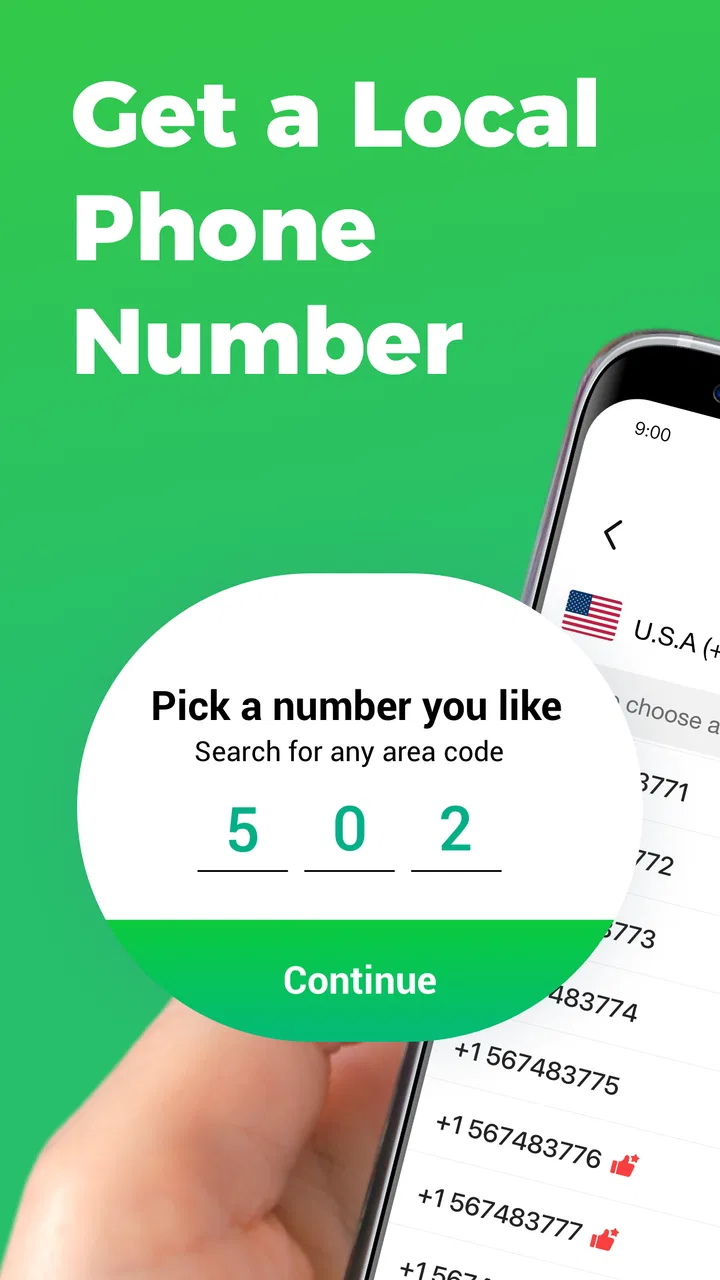
2nd Line is an app that provides users with a second phone number, allowing them to make and receive calls and texts without using their primary number. It works over Wi-Fi or your data connection, making it ideal for personal, business, or international use. Simply download the app, choose a number, and start communicating.
02Is 2nd Line - Second Phone Number secure and private?
Yes, 2nd Line takes privacy seriously by ensuring that your personal information is protected. The app encrypts your calls and messages, keeping them secure from unauthorized access. Additionally, using a secondary number helps maintain privacy by keeping your primary number hidden from unknown contacts.
03What are the costs associated with using 2nd Line?
While 2nd Line offers a free trial period, continuing to use the app requires a subscription. The cost varies depending on the plan you choose. There are options for monthly or annual subscriptions. Check the app store for the most up-to-date pricing and details on what is included in each plan.
04Can I use 2nd Line - Second Phone Number for international calls and texts?
Yes, 2nd Line allows you to make international calls and send texts to many countries. However, international usage may incur additional charges depending on your subscription plan. It is recommended to check the rates for specific countries within the app to avoid unexpected costs.
05What are the device requirements for installing 2nd Line?
2nd Line is available for both Android and iOS devices. Your device needs to have a stable internet connection, either through Wi-Fi or mobile data, to function properly. Ensure your operating system is up to date to avoid any compatibility issues and to access the latest app features.
Pros
- Easy setup and user-friendly interface.
- Affordable plans for multiple numbers.
- Reliable call and text quality.
- Supports international calling.
- Customizable voicemail options.
Cons
- Limited customer support availability.
- Ads in the free version can be intrusive.
- Some features require premium upgrade.
- Occasional app crashes reported.
- Not all numbers work for verification.

2nd Line - Second Phone Number
Gallery